

The liver is one of the largest organs in the body and plays an important role in approximately 500 functions including nutrient conversion, blood recycling and the management of some vitamins and minerals.
Commonly known as the body’s detoxifier, the liver also regulates blood glucose, produces bile that helps with the breakdown of fat and performs a crucial role in the metabolism of every single calorie.
Liver Toxicity
When we consume food, particularly in large amounts, the liver has to work hard to process it. If you’re consuming highly calorific meals, the liver is being overworked and causing inflammation.
Usually white adipose tissue (white fat) stores particular fats for later use to be converted into energy. When white adipose tissue is unable to store fat fast enough and the storage threshold is met, signals are sent to the primary backup location for fat storage – your liver. This can lead to a clogged / fatty liver (hepatic steatosis).
It’s important to note that you don’t get a fatty liver from consuming fat, rather it’s through excess carbohydrate consumption which is getting converted into fat. Your body simply is unable to use all the fatty acids that are being provided from carbs so they have to be stored.
When your liver gets clogged with excess fat, metabolism becomes strained and you are at risk for developing far more serious health problems.
The highly toxic environment in which we live continues to add more demand of the liver to detoxify and filter the blood of toxins, drugs, hormones, food preservatives, cleaning chemicals and plastics. This causes a strain on the liver performing as a digestive organ, preventing the normal uptake and utilization of nutrients, carbohydrates and proteins. (1) Furthermore, excess leptin production from white adipose tissue causes a lowering of adiponectin. Low adiponectin causes insulin resistance in your liver, which raises your blood sugar and converts sugar to fat in your liver – thus many find losing weight more difficult.(2)
Here are 6 actions you can take to help promote better liver health:
Reduce Alcohol

Every time you consume alcohol the liver prioritises the removal of this toxic substance, therefore all other liver functions take a backseat such as fat and sugar metabolism. Which means an increase in the conversion of fatty acids which aren’t being utilised and are being stored as fat in the liver. Structuring periods of time without consuming alcohol will give your liver a chance to detoxify and return back to regular function.
Reduce Fruit Intake
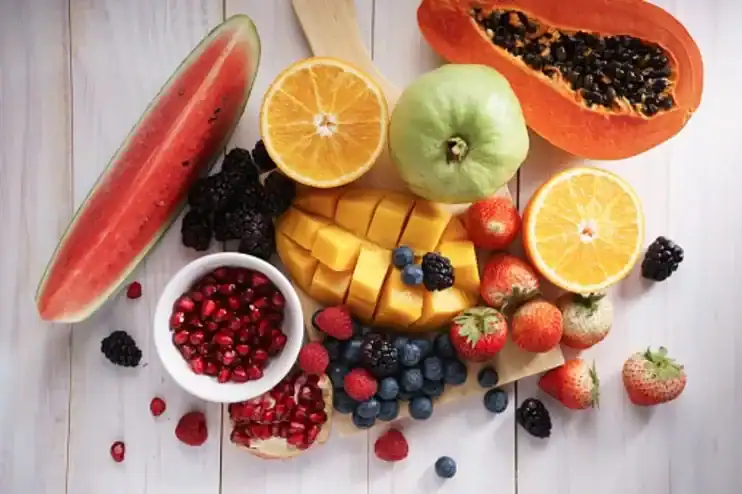
If you consume a lot of fruit juices or smoothies, you are more likely to have a fatty liver due to the high concentration of fructose sugar. Fructose is absorbed via the portal vein and delivered directly to the liver in much higher concentrations in comparison to sugars metabolised through other carbohydrate or sugar sources. Fructose also doesn’t require insulin for its metabolism and can therefore be converted into triglycerides. Excess fructose can lead to insulin resistance which causes other health issues.
Eat High Sulphur Foods

Foods high in sulphur-containing compounds such as eggs, broccoli, cabbage and garlic help boost glutathione levels, the body’s natural antioxidant.
Eat Garlic
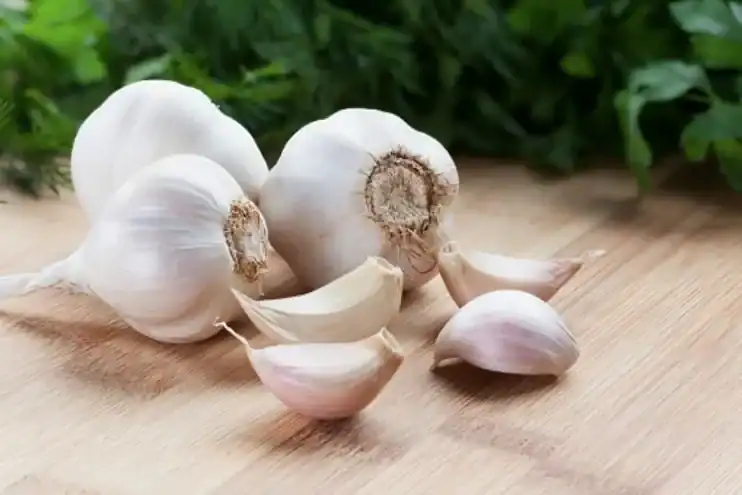
A member of the Allium family, garlic is rich in sulfur compounds to support the liver in optimising metabolism. Garlic is also high in vitamin B6 providing anti-inflammatory benefits by reducing homocysteine levels. It also contains selenium – a mineral that increases the action of antioxidants – which assists the liver in detoxification.
Research
Reduce Fat Accumulation in the Liver – A study published in a May 2013 edition of Nutrition Reviews, researchers performed a comprehensive meta-analysis looking at the effect of garlic on total cholesterol, LDL and HDL cholesterol and triglycerides.
Findings suggest garlic to be effective in reducing total serum cholesterol and LDL cholesterol. (3)
Supplement with Turmeric
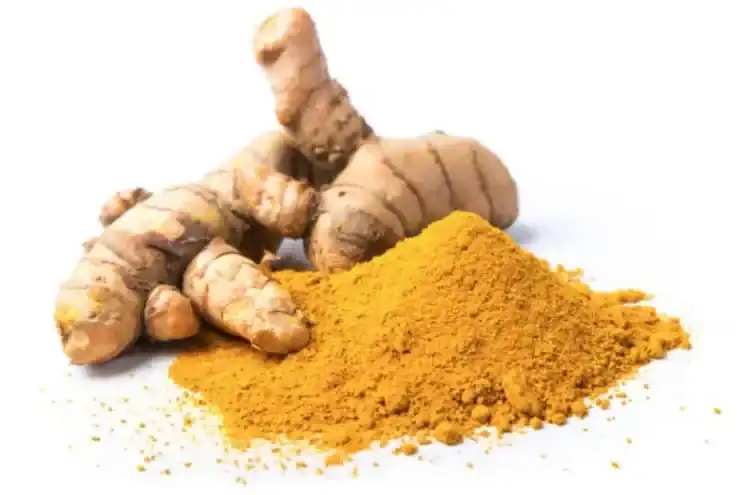
Turmeric is well known for its anti-inflammatory properties but it also removes cholesterol from the liver. Curcumin, one of the active ingredients in turmeric is believed to communicate with liver cells to produce more LDL receptors. Due to increase in receptors, more cholesterol is utilized by the liver rather than being stored. Curcumin has also been shown to increase our Glutathione levels too.
Eat Beetroot
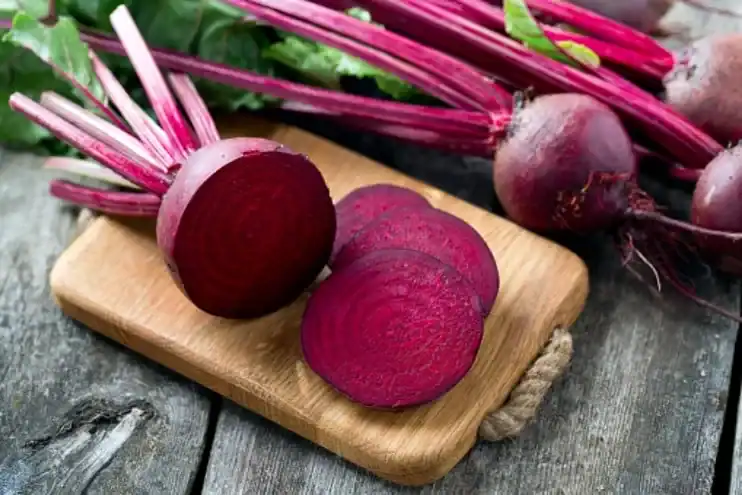
Beetroot contains a unique fibre called pectin which can help clean the toxins that have been removed from the liver when the liver detoxifies itself. The pectin binds to the toxins allowing them to be flushed out of the system instead of reabsorbed by the body.
Additionally, beetroot contains betaine which encourages the liver cells to get rid of toxins by boosting the production of Glutathione.
Note that drinking beetroot juice will contain less of the beneficial pectin fibre than eating it.
References
1) Ten signals your liver needs to detox – Nourish Holistic Nutrition. (n.d.). Retrieved from http://nourishholisticnutrition.com/ten-signals-your-liver-needs-to-detox/
2) Unclog Your Liver & Lose Abdominal Fat – Leptin Diet Weight Loss Challenge #6 | Health & Wellness News. (n.d.). Retrieved from https://www.wellnessresources.com/news/unclog-your-liver-lose-your-abdominal-fat-leptin-diet-weight-loss-challenge
3) Effect of garlic on serum lipids: an updated meta-analysis. – PubMed – NCBI. (n.d.). Retrieved from https://www.ncbi.nlm.nih.gov/pubmed/23590705