
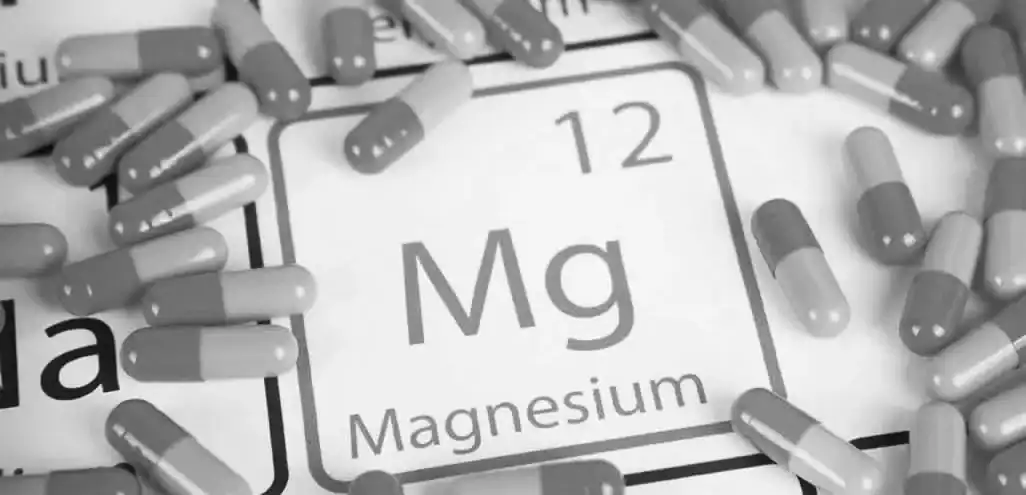
A magnesium deficiency is very common and getting enough of this essential mineral is important for maintaining good health. Here’s we look at the different types of magnesium supplements that you’ll likely come across.
Even with a diet high in magnesium-rich foods, there can still be various factors such as poor nutrient soil or digestive issues which can affect the amount of magnesium and other minerals in our body. If you’re unable to get enough from your diet alone, it may be advised by your GP to take a magnesium supplement.
Types of Magnesium Supplements
Magnesium found in supplements is attached to another substance to provide differing rates of absorption and bioavailability. Below are explanations of the different forms of magnesium.
1. Magnesium chloride:
Really beneficial for metabolic function and detoxing
detoxing, metabolism, kidney function
Contains only 12% magnesium, however the magnesium is highly bioavailable.
2. Magnesium citrate:
This form is generally not recommended, as it affects the balance of copper and iron due to its interferes with Ceruloplasmin, a transporter of copper. If Ceruloplasmin is unable to carry copper efficiently throughout the body, we get an overabundance of iron which can lead to other health issues.
Although high bioavailable at about 90% it does have laxative properties.
3. Magnesium glycinate:
Magnesium bonded with the amino acid glycine known for its calming effects
Chelated form of magnesium which provides faster absorption.
Beneficial for chronic pain, nerve pain relief and leaky gut.
Ideal to take before sleep or when you need to relax
Transported through the intestinal wall, so no laxative property
High bioavailability.
4. Magnesium malate:
Energising properties ideal for taking prior to exercise or as an energy boost.
Malate is used in aiding ATP production, the body’s cellular energy system.
May help relieve fibromyalgia and muscle pain
High bioavailability due to its chelated form of magnesium
5. Magnesium oxide:
Bound to a fatty acid or organic acid to give oxidative properties
Frequently used for acid reflux treatment and as a laxative
Non-chelated form giving a low bioavailability of about 4%, however contains a high concentration of magnesium
Ideally taken in small doses throughout the day to provide a period release.
6. Magnesium sulfate:
Most widely known as epsom salts
There is limited evidence that epsom salt baths may increase the levels of magnesium in the body, however there is currently no peer-reviewed evidence published
Do not take more than very small amounts orally – a powerful laxative
Easy to overdose – do not take more than directed
7. Magnesium Orotate:
Beneficial for cardiovascular health
Oronates are used in the body to create DNA and RNA
Ability to penetrate the cell membrane leads to magnesium delivery to the inner parts of the cell
Because of these properties this form is very effective and readily absorbable
8. Magnesium Taurate:
Bound to the amino acid taurine beneficial for cardiovascular health
Chelated form of magnesium with high bioavailability
Known for calming properties on both mind and body
8. Magnesium Threonate:
Known for its cognitive health properties due to its unique ability to permeate the brain
Ability to support anxiety, depression, PTSD, brain injuries and other neuro conditions
Shown to positively improve both short term and long term memory
Usually types of magnesium that dissolve in liquid are better absorbed in the gut than less soluble forms. Magnesium in chloride, citrate or chelated forms are absorbed better than magnesium supplements in oxide and sulfated form.
Although magnesium supplements are generally well-tolerated, they may not be safe for people who take certain medication such as heart medications or antibiotics.
References:
1. 9 common types of magnesium explained
https://www.globalhealingcenter.com/natural-health/types-of-magnesium/
2. Understanding different types of magnesium
https://drnibber.com/understanding-different-types-of-magnesium/
3. Benefits of magnesium is far greater than previously expected
https://articles.mercola.com/sites/articles/archive/2012/12/17/magnesium-benefits.aspx
4. Magnesium water
https://www.drugs.com/pro/magnesium-water.html
5. Magnesium water: from wheat belly total health
http://www.wheatbellyblog.com/2015/07/magnesium-water-from-wheat-belly-total-health/