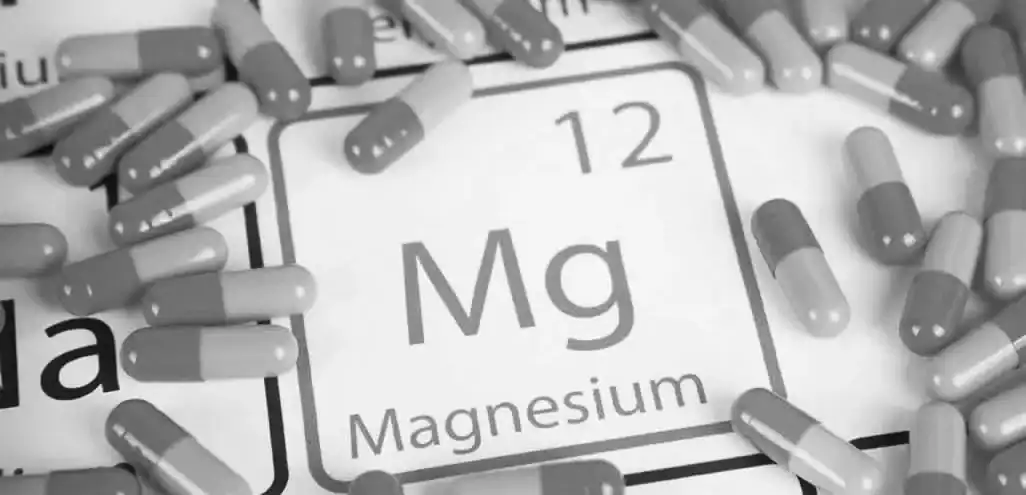

Magnesium plays an important role in over 300 reactions in our body, yet an estimated 80% of people in Europe and the US get less than the recommended daily amount of this vital mineral. Here we discuss some of the symptoms presented if you are deficient in magnesium.
What is Magnesium
Magnesium is a mineral found in the earth, sea, plants, animals and humans. It’s the 4th most abundant mineral found in our body.
Around half of our body’s overall magnesium reserve is present in our bones, while the rest is in the body’s organs and tissue cells, with only 1% of it is available in the blood (1).
Every cell in your body contains magnesium, and is needed to for critical processes including:
- Supports conversion of food into energy.
- Supports formation of new proteins from amino acids.
- Helps regulate heartbeat rhythms and blood pressure.
- Critical for muscle contraction and relaxation.
- Maintains bone health and integrity.
- Helps create and repair DNA and RNA genes.
- Regulate neurotransmitters, which send messages throughout your brain and nervous system.
A magnesium deficiency is very common, even if you eat a healthy diet. It’s likely that you will identify with at least 2 of these symptoms simply because it’s so prevalent.
Causes of Deficiency
Due to over harvesting our soil the plants (and meat from animals that feed on these plants) are lower in magnesium.
Use of chemicals like fluoride and chlorine in the water supply make magnesium less available in water since these chemicals can bind to magnesium which is within our body and strips it away.
Both a high sugar intake and elevated insulin levels (which can result from a high intake of refined carbs, including sugar) have been shown to solicit a very negative response in the body, including the increase dumping of magnesium by the kidneys.
Over consumption of alcohol, caffeine and soft drinks can also interfere with our magnesium absorption.
Some drugs can also exacerbate this problem
Certain medical conditions can add to this as well, including diarrhoea, diabetes and pancreatitis.
3 Signs of Magnesium Deficiency
1. Cramps/Tight Muscles
Magnesium directly interacts with your muscle tissue through a process called ion transportation. It’s extremely important in regulating the balance of mineral ions such as calcium, potassium and sodium.
When magnesium binds with your cell membranes, it bonds with specific receptor sites that open up the cell membrane and allow other mineral ions to enter. These ions help regulate muscle contractions and might ease muscle tension.

Too much calcium: Calcium and magnesium have a partnership in the body – calcium causes muscles to contract and magnesium causes them to relax.
If there is too much calcium in your body, which is common in the typical Western diet, there won’t be enough magnesium to balance out the calcium so your muscles won’t be able to properly relax (3)
2. Sleeplessness
Do you have difficulty staying asleep? If you suffer from broken sleep and waking up in the morning not feeling fully rested, this could be due to magnesium deficiency.

In order to fall asleep your body and brain need to relax.
Magnesium aids this process by activating the parasympathetic nervous system, the system responsible for getting you calm and relaxed.
Magnesium binds to (GABA) receptors and activates them. GABA is the neurotransmitter responsible for helping you relax and quieting down nerve activity.
Having insufficient levels of GABA and Magnesium makes it difficult for the body to produce melatonin, which regulates our circadian rhythm (sleep-wake cycle) in the body. This causes your brain to get stuck in the “awake” position and it becomes impossible to relax (3).
Magnesium also plays a part in helping you achieve deep and restful sleep as well (4).
3. Anxiety/Stress
We know that most of us deal with the stresses of life poorly, but magnesium deficiency could be contributing to your stress levels.

Low magnesium results in low GABA, which is associated with numerous stress-related disorders including stress, anxiety disorder, panic attacks, and irritable bowel syndrome. If you’re someone who’s chronically feeling stressed, react poorly in stressful situations and don’t know how to combat it, then magnesium could be the answer.
If you’re experiencing any one of these issues it may be worthwhile consulting your GP to perform a test on RBC (Red Blood Cell) Magnesium Count or may recommend supplementing with Magnesium.
References
1) Magnesium in Prevention and Therapy. Retrieved from
https://www.ncbi.nlm.nih.gov/pubmed/26404370
2) Magnesium as Muscle Relaxer | LIVESTRONG.COM. (n.d.). Retrieved from https://www.livestrong.com/article/490255-magnesium-as-muscle-relaxer/
3) 8 Ways Magnesium Relieves Anxiety and Stress | Be Brain Fit. (n.d.). Retrieved from https://bebrainfit.com/magnesium-anxiety-stress/
4) The effect of magnesium supplementation on primary insomnia in elderly: A double-blind placebo-controlled clinical trial. – PubMed – NCBI. (n.d.). Retrieved from https://www.ncbi.nlm.nih.gov/pubmed/23853635